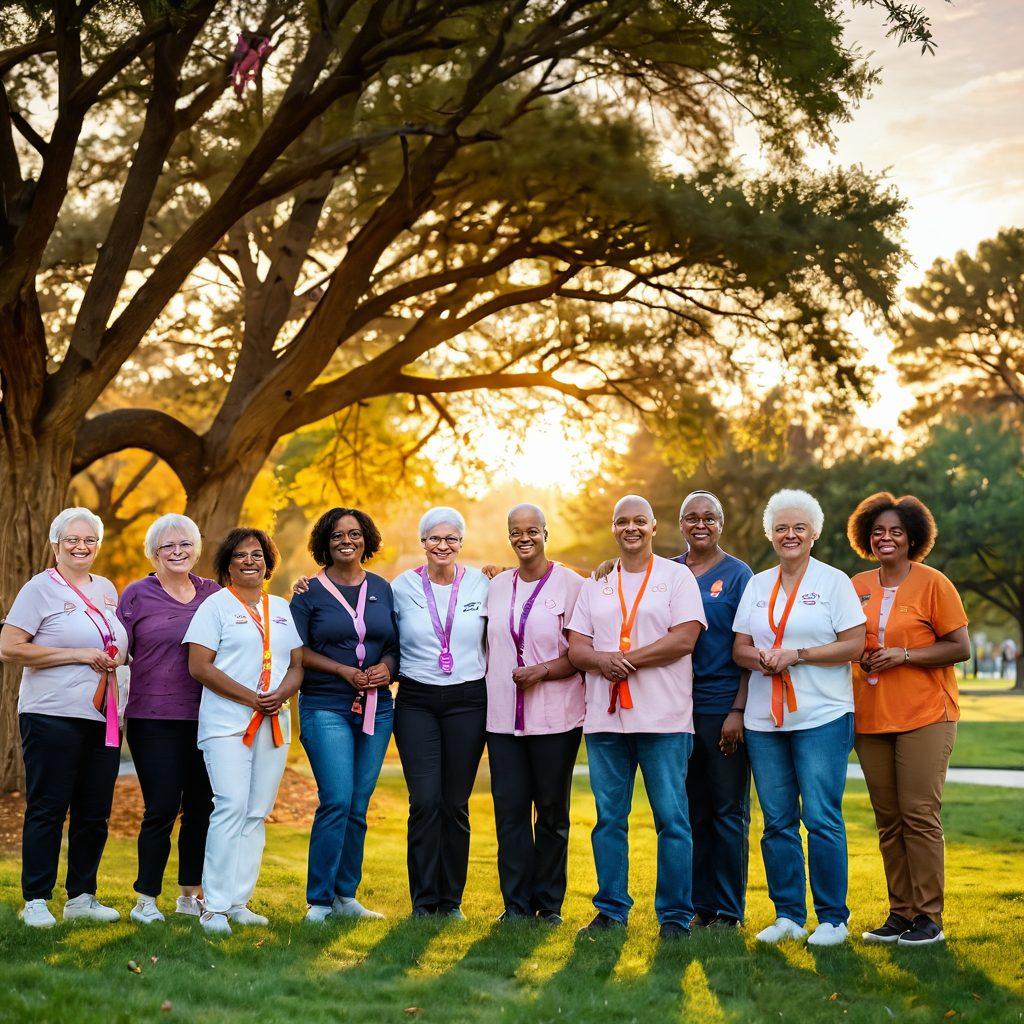
Empowering Journeys: Cancer Awareness and Support for Every Survivor
Navigating the landscape of cancer can feel like wandering through an intricate maze. As we delve into the world of oncology, it's essential to grasp not only the complexities of cancer treatment but also the emotional journey faced by those affected. When we think about cancer, many of us are inundated with statistics that evoke fear - '1 in 3 people will face a cancer diagnosis in their lifetime.' But beyond these figures lies a tapestry of survivorship stories filled with resilience, hope, and unwavering strength. How can we better understand these journeys and provide the necessary support for cancer survivors?
One of the most significant advances in the field of cancer research has been the introduction of innovative treatments like immunotherapy and targeted therapies. These groundbreaking methods have opened doors to effective cancer prevention and management strategies. Imagine walking into a hospital knowing that there are specialized oncologists who are not just analyzing your disease but are dedicated to finding personalized treatment plans that fit your unique genetic makeup. This is the future of oncology, where precision meets empathy, offering a glimmer of hope for many. Have you ever considered how far we've come since the days of traditional chemotherapy and radiation therapy?
But while the advances in cancer treatment are exciting, it’s essential not to overlook the importance of cancer awareness and health education. Support groups play a crucial role in fostering a community where individuals can share their experiences and gain psychological support. These networks create a safe space for discussing symptoms, treatment options, and lifestyle changes that need to be made. 'Alone, we can do so little; together, we can do so much,' said Helen Keller. This sentiment rings especially true for cancer patients. How can we further strengthen these communities to empower individuals during their journeys?
As we discuss survivorship, let's not forget the importance of early detection and health tips that can significantly impact outcomes. Regular screenings and awareness can lead to early diagnosis, which is pivotal for effective disease management. Incorporating nutritious food choices into a cancer patient’s diet is also a crucial aspect of recovery. Did you know that certain foods can enhance the effectiveness of treatment while promoting overall well-being? Understanding nutrition for cancer patients can empower them to take charge of their health in collaboration with their oncologists. What dietary changes can make a difference for someone battling cancer?
Finally, let’s touch on the topic of patient advocacy and hospice care. The journey doesn’t always end with treatment; for some, palliative care plays a significant role in enhancing quality of life during the later stages of cancer. Advocacy for patients' rights and access to healthcare resources needs to be a collective effort. As we stand on the shoulders of giants who fought tirelessly for cancer research and support, what can we do to continue this fight? Whether through donations, volunteering, or simply spreading awareness about cancer, each of us has a role to play in this ongoing journey towards a better tomorrow for all cancer survivors.
From Awareness to Action: Transforming Survivorship Through Support and Resources
In a world where cancer casts a long shadow, the journey from awareness to action is critical for empowering survivors. Every year, millions grapple with the reality of cancer, yet amidst the sobering statistics lie stories of hope and resilience. What if our collective efforts in cancer awareness could transform these stories into stronger narratives of survivorship? By elevating discussions around cancer prevention, treatment options, and the importance of support, we can ensure no one walks this path alone. Let’s explore how to turn awareness into meaningful action, transforming survivorship through the power of resources and community support.
Awareness is the first step towards action. It's an undeniable truth that cancer—whether it be through daunting chemotherapy sessions, challenging radiation therapy, or the latest advancements in immunotherapy—affects us all in some way. Engaging with an oncologist, seeking out health education, understanding cancer research, and becoming familiar with cancer statistics can make a significant difference. How can we translate our understanding into tangible support systems? Patient advocacy groups, support groups, and healthcare resources play a crucial role in this journey. They not only guide us through disease management but also foster a sense of community among those who have faced similar hurdles.
Consider for a moment the emotional landscape of a cancer survivor. Picture the first terrifying moments of receiving a diagnosis, followed by the trials of treatment—whether it’s managing side effects, navigating clinical trials or restructuring one’s daily life for optimal nutrition for cancer patients. Strikingly, stories of survival carry immense power; they inspire others, promote understanding, and serve as beacons of hope. What if every survivor took the time to share their journey? When we share survivorship stories, we foster connection and instill courage in others traversing the same tumultuous path toward recovery.
Lifestyle changes can often be a game-changer in survivorship. Incorporating health tips into one's daily routine can aid in recovery and significantly affect long-term health outcomes. From nutrition for cancer patients to practical exercise tips, each step fosters resilience and empowerment. On the invigorating path of survivorship, how can we create more resources to support lifestyle changes? Wellness programs, workshops, and accessible health education can equip survivors with the tools they need to thrive rather than merely survive, emphasizing the importance of proactive health management.
Our journey from awareness to action culminates in a profound realization: the importance of psychological support and a compassionate community. Palliative care and hospice care might seem intimidating, but they embody the essence of empathy and dignity in the final stages of life. How can we shift our perspectives to view these services as essential components of the journey rather than mere end-of-life solutions? Developing a robust support network that includes emotional and psychological resources equips us to uplift one another. Remember, no survivor should feel isolated; rather, together, we can advocate for better resources and awareness to ensure that every journey through cancer is as empowering as it is transformative.
Empowering Voices: Sharing Survivorship Stories and Best Practices for Cancer Patients
In our journey through life, we often encounter crossroads that shape who we are, and for many, a cancer diagnosis becomes one of those pivotal moments. All around us, cancer survivors echo tales of resilience, courage, and transformation. As we delve into the empowering voices of these survivors, we discover an imperative truth: sharing survivorship stories not only provides hope, but also fuels cancer awareness and reinforces the strength of community support. Isn't it fascinating how such narratives can unify us, spark conversations, and encourage collective patient advocacy against a common enemy?
When we think of navigating through the multifaceted world of oncology, whether it be seeking advice from an oncologist or participating in support groups, it's essential to emphasize the importance of comprehensive health education. Research shows that understanding treatment options—like chemotherapy, radiation therapy, and immunotherapy—can significantly impact a patient's journey. Survivorship stories often reveal inspiring best practices that empower others dealing with similar struggles, alleviating fears surrounding cancer treatment and management. How can we harness these stories to not only educate patients but also to inform policy changes and enhance cancer prevention strategies?
Consider the role that nutrition can play in the lives of cancer patients and survivors. Integrating healthy dietary habits into daily routines is not just a trend—it's a lifeline. Survivorship narratives seldom shy away from the transformative effects of embracing lifestyle changes, from boosting immunity through nutritious foods to finding balance in mental health via psychological support. When we prioritize nutrition for cancer patients, we empower them to advocate for their well-being. How can the medical community further support these lifestyle adjustments during both treatment and survivorship, ensuring every patient is equipped to thrive, not just survive?
As the statistics reveal, cancer affects nearly one in two men and one in three women during their lifetimes. Such a staggering reality prompts us to ask: what tangible steps can we take in our communities to facilitate early detection and support advanced cancer research? Survivorship stories illuminate the gaps where improvement is necessary, encouraging investment in clinical trials and healthcare resources that prioritize patient needs. By bridging the gap between personal experiences and broader healthcare practices, we can foster a compassionate approach to disease management.
Ultimately, sharing survivorship stories serves as both a mirror and a window. Each narrative shines light on the multifarious experiences within the cancer journey, reminding us that no one is alone in this battle. As we encourage conversations surrounding hospice and palliative care options, we must also recognize the invaluable lessons learned from those who have walked this path. So, what will your story be and how can you help pave the road for future cancer fighters? Remember, with every voice shared, we strengthen the pillars of cancer awareness and champion the cause for every survivor. As we continue this dialogue, we embolden each other in a powerful network of hope.